
Home / Herd
Herd & Husbandry
Achieving sustainable dairying
through data-driven precision management
Herd Size & Yield
Herd Status
(as of end of 0000-00)
- Total Herd
- 000head
- Holstein
- 000head
- Jersey
- 00head
- Avg. yield per cow
- 00.0kg/day
- Avg. lactation no.
- 0.0parity
Despite being a large-scale dairy farm raising 1,000 milking cows, NatureFarm steadily maintains higher productivity than an ordinary farm.
This is because smart husbandry based on individual data, precision breeding management, real-time health monitoring, and optimal barn-environment control all work together. By analyzing each cow's activity, rumination time, body temperature, milking data, feed intake, and barn conditions in real time, heat and disease are detected early and breeding and health care are carried out at the right time to maximize productivity.
As a result, NatureFarm shows excellent breeding and productivity indicators — higher conception rates, greater milk yield per cow, fewer open days, and shorter calving intervals.
Even at large scale, NatureFarm secures both productivity and profitability through a data-driven precision management system, establishing itself as a leading success model for smart dairying in Korea.
Advantages
Husbandry Features
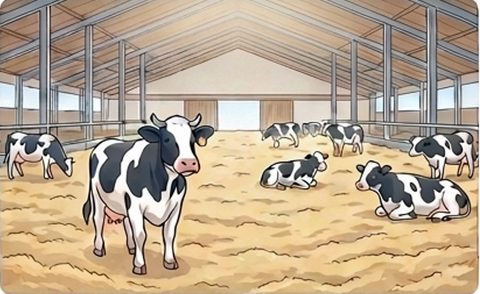 1.2 times more space per cow than the legal minimum
NatureFarm provides 19.8㎡ per cow — about 1.2 times the legal minimum — so cows can move freely and rest fully.
 Year-round comfort through smart environmental control and large open barns
Temperature, humidity, CO₂, NH₃, and airflow inside the barns are monitored in real time around the clock, and fans and misters are controlled automatically to keep the environment optimal in every season.
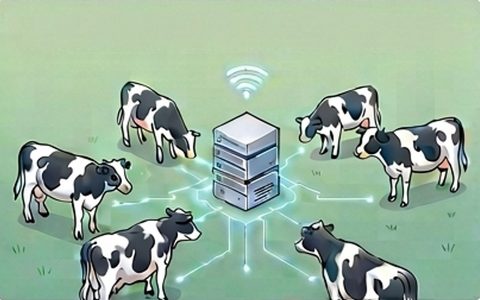 Data-driven precision management for each cow
Individual data — milking records, rumination time, activity, body temperature, and feed intake — is collected and analyzed in real time to precisely manage each cow's health and breeding status.
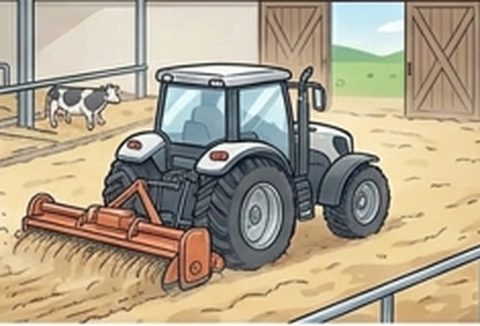 Daily rotary tilling of the exercise yard for a hygienic, comfortable environment
The exercise-yard sawdust is tilled once daily to evenly distribute moisture and promote composting, giving cows a comfortable environment and preventing disease.
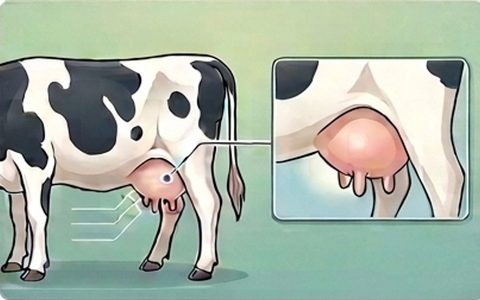 Milking-data-based early disease prediction and precision health care
By analyzing each cow's daily conductivity and yield changes, cows suspected of mastitis and other diseases are identified early, and tailored husbandry minimizes disease spread and productivity loss.
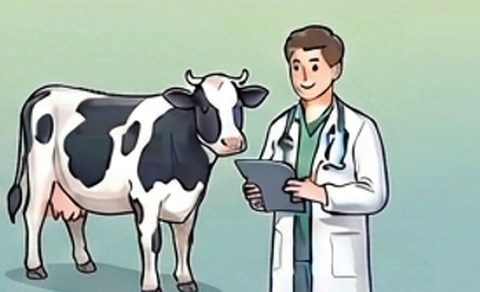 Systematic health and breeding care with an on-site veterinarian
A veterinarian checks health daily to diagnose disease early, and regular breeding exams and timely artificial insemination raise conception rates and improve breeding performance.
 Stable productivity with high-quality feed from an in-house TMR plant
Fresh, balanced, high-quality feed produced at Dangjin Dairy Cooperative's own TMR plant optimizes the cows' nutrition and improves milk yield and quality.
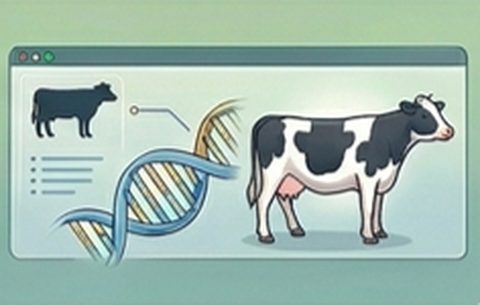 Pedigree- and genome-based precision management
All cows are registered by pedigree and evaluated through genomic analysis, so their genetic ability is managed scientifically and used for tailored husbandry and continuous improvement.


Breeds
Breeds Raised

Holstein
Holstein- Origin
- Netherlands · over 2,000 years of history
- Appearance
- Black-and-white patches, large frame
- Milk yield
- Highest of all dairy breeds worldwide
- Milk fat
- Around 3.5 – 4.0%
- Use
- Mainly drinking milk
Most dairy cows raised in Korea are Holsteins. Korean dairying began when the breed was introduced in 1902.

Jersey
Jersey- Origin
- Isle of Jersey, UK
- Appearance
- Solid brown, small frame, disease-resistant
- Milk yield
- Lower than Holstein but higher feed efficiency
- Milk fat
- 4.5 – 5.5% · vivid yellow fat
- Use
- Preferred for butter, cheese, and processing
Dangjin Dairy Cooperative was the first in Korea to introduce Jersey cows, differentiating its milk quality. Jerseys are managed together in Barn 1 (dry and early-lactation cows).